


jl grabe com | Exploring the Intricacies of Simulation Games
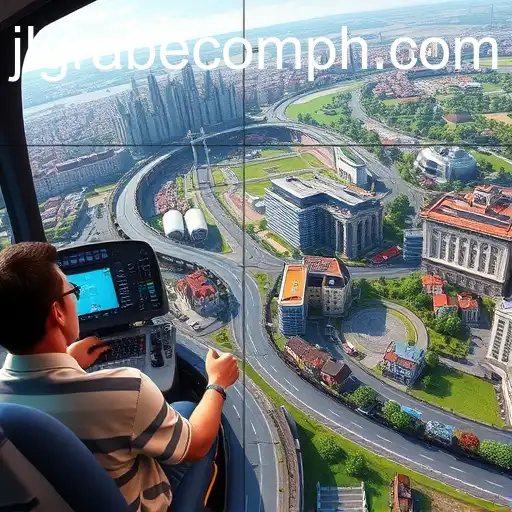
Simulation games are an enthralling genre within the video game industry, allowing players to engage in virtually recreated scenarios that mimic real-world activities or imagined environments. Known for its educational and recreational attributes, simulation games offer a unique blend of fun and learning. From managing bustling cities and piloting aircraft to experiencing life as a farmer or a doctor, the possibilities are nearly endless.
The popularity of simulation games has surged over the years, largely due to their expansive nature and high replay value. They offer players control over a vast array of elements, requiring strategic thinking and careful decision-making. At the heart of their appeal is the ability to experience situations that one might never encounter in real life, all from the safety of a digital platform.
Types of simulation games vary widely. City-building simulators like 'SimCity' and 'Cities: Skylines' challenge players to develop and manage urban landscapes, carefully balancing resources and infrastructure to keep populations thriving. On the other hand, life simulation games such as 'The Sims' allow players to control characters in a virtual household environment, overseeing their day-to-day activities and interpersonal relationships.
Flight simulators and racing simulators appeal to enthusiasts who crave the thrill of high-speed environments. Titles like 'Microsoft Flight Simulator' offer a near-authentic piloting experience, complete with realistic graphics and physics. Meanwhile, games such as 'Gran Turismo' provide adrenaline-pumping racing experiences across a variety of tracks.
The educational benefits of simulation games are also notable. They can serve as training tools in fields such as aviation, medicine, and business, where realistic practice is of great importance. For example, medical simulation games allow users to perform virtual surgeries or diagnose patients, bridging the gap between theory and practice.
As technology advances, so too does the potential for simulation games. VR technology is beginning to make waves in the industry, adding another layer of realism and interaction. This opens new avenues for gameplay and user experience, making the future of simulation games an exciting prospect for both developers and players.
In conclusion, simulation games continue to captivate audiences with their depth, breadth, and innovation. They provide a sandbox for creativity, strategy, and learning, making them a pillar of interactive entertainment. Whether you're building cities, managing life, or piloting aircraft, simulation games offer a diverse range of experiences that can appeal to players of all interests and skill levels.
