


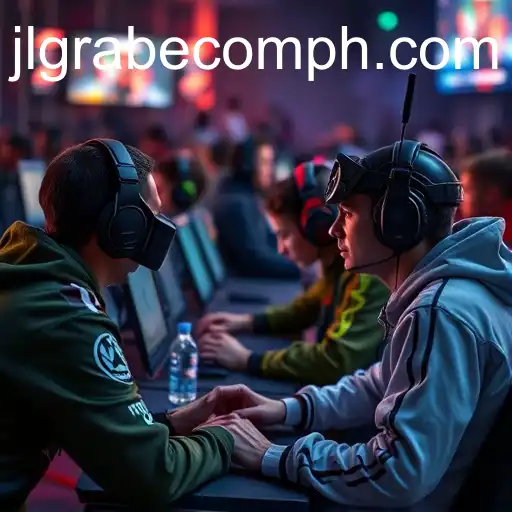
In the ever-evolving digital age, online gaming has emerged as a dominant force, transcending mere pastime to become a thriving community-driven phenomenon. As we delve into this world, keywords like 'jl grabe com' have become synonymous with platforms that offer gaming enthusiasts a space to connect, compete, and revel in their shared passion.
The allure of these digital arenas lies not only in the games themselves but also in the robust communities that have formed around them. Players from all corners of the globe converge online, fostering a sense of camaraderie and competitiveness that mirrors traditional sports. This dynamic environment paves the way for events like eSports tournaments, which attract millions of viewers and rival the scale of major sporting events.
A crucial aspect of this growth has been the technological advancements that support seamless interaction and connectivity. High-speed internet, enhanced graphics, and immersive VR experiences have enabled online gaming platforms to offer more engaging and interactive experiences than ever before. This technology-driven expansion has undoubtedly played a pivotal role in cementing online gaming's place in modern culture.
While the benefits of these online communities are manifold, ranging from social interaction to the development of strategic thinking skills, they also raise important questions about digital wellbeing and screen time management. Balancing the immersive, often addictive nature of gaming with other life pursuits remains a challenge for many avid gamers.
Looking ahead, the future of online gaming communities appears bright, as developers continue to innovate and adapt to the changing needs and preferences of players. As these communities grow, they will likely influence broader cultural trends, shaping how we engage and interact in virtual spaces across the globe.